Get a consultation
98% accuracy — a laboratory trusted by doctors.
High precision of laboratory tests is not just numbers. It is confidence in the diagnosis and health for tomorrow.

We perform tests using next-generation equipment from world-renowned brands, ensuring high accuracy and fast results.
OrhunLab laboratory is equipped with next-generation high-precision equipment. We conduct a wide range of studies: from basic tumor markers to complex molecular-genetic tests. We deliver biological samples to certified international centers. This ensures the highest quality of diagnostics and confidence in every test.
Some advanced tests are currently unavailable in Kazakhstan, but Orhun Medical collaborates with laboratories in Germany and Turkey to provide patients with diagnostics according to international standards.


LAB TEST FILTER
Ferritin is a protein that reflects iron stores. The test helps detect iron deficiency or excess, and diagnose anemia and inflammatory processes.
- To be taken on an empty stomach (8 hours without food) - Avoid fatty foods, alcohol, and physical exertion for 24 hours before the test - Inform your doctor about the use of iron-containing medications
- Suspected anemia - Chronic fatigue, weakness - Heavy menstrual bleeding - Monitoring during iron therapy - Suspected iron overload (hemochromatosis)
Vitamin B12 (cyanocobalamin) is involved in the functioning of the nervous system, DNA synthesis, and hematopoiesis. Its deficiency can lead to anemia, numbness, weakness, memory impairment, and even depression. The test helps detect B12 deficiency at an early stage.
- To be taken on an empty stomach (at least 8 hours without food) - 1–2 days before the test, it is recommended to avoid alcohol and heavy foods - Do not take B12 supplements (unless otherwise directed by your doctor) - A small amount of water is allowed in the morning before the test
- Suspected megaloblastic anemia - Persistent fatigue, weakness, dizziness - Memory impairment, depression, anxiety - Numbness, tingling in the hands and feet - Stomach or intestinal diseases (e.g., gastritis, Crohn’s disease) - Vegetarian or vegan diet - Monitoring during B12 deficiency treatment
Cortisol is an adrenal hormone that regulates metabolism, blood pressure, and the stress response. The test helps detect hormonal disorders, adrenal problems, and chronic stress.
- The test is taken in the morning on an empty stomach (best time: 7:00–10:00) - Avoid physical and emotional stress for 1 day before the test - Avoid alcohol and fatty foods for 1 day before the test - It is recommended to discuss the use of hormonal medications with your doctor 1–2 weeks before the test, as they may affect the results
- Suspected Cushing’s syndrome (excess cortisol) - Suspected adrenal insufficiency (Addison’s disease) - Rapid fatigue, blood pressure fluctuations, weight gain or loss - Menstrual cycle disturbances - Prolonged stress, insomnia - Monitoring of hormone therapy
Dehydroepiandrosterone sulfate (DHEA-S) is a hormone produced by the adrenal glands. It is a precursor of sex hormones (estrogens and testosterone). The test helps assess adrenal function, detect hormonal disorders, and identify causes of acne, infertility, and hirsutism (excessive hair growth in women).
- To be taken in the morning on an empty stomach (at least 8 hours without food) 24 hours before the test, avoid: - Stress and physical exertion - Alcohol, smoking, and fatty foods - Discuss the use of hormonal medications with your doctor 1–2 weeks before the test, as they may affect the results - For women: it is recommended to take the test on days 3–5 of the menstrual cycle (unless otherwise directed)
- Menstrual cycle disturbances - Suspected polycystic ovary syndrome (PCOS) - Acne, oily skin, hair loss - Excessive hair growth in women - Infertility - Assessment of adrenal function - Suspected adrenal cortex tumors or hyperandrogenism
Insulin is a hormone produced by the pancreas that regulates blood glucose levels. The test helps detect diabetes, insulin resistance, metabolic syndrome, and carbohydrate metabolism disorders. It is often performed together with glucose testing and the HOMA index.
- To be taken strictly on an empty stomach (at least 8–12 hours without food) 24 hours before the test, avoid: - Alcohol, sweets, and fatty foods - Physical exertion and stress - A small amount of water is allowed in the morning - It is not recommended to take the test while using hypoglycemic medications without consulting your doctor
- Suspected type 2 diabetes - Insulin resistance (in cases of obesity, metabolic syndrome) - Blood sugar fluctuations, fainting, sweating - Assessment of pancreatic function - Monitoring of diabetes treatment - Detection of insulinoma (tumor producing excess insulin)
Calcitonin is a hormone produced by the C-cells of the thyroid gland. Its main role is the regulation of blood calcium levels. The test is used for the diagnosis and monitoring of medullary thyroid carcinoma, as well as for assessing the risk of malignant neoplasms.
- To be taken on an empty stomach (at least 8 hours without food) 24 hours before the test: - Avoid fatty foods, alcohol, and physical exertion - Avoid stress - Some medications (especially hormones and calcium supplements) may affect the results — consult your doctor
- Nodular formations in the thyroid gland - Suspected medullary thyroid carcinoma - Hereditary predisposition to tumors (e.g., in MEN syndrome) - Monitoring after removal of a medullary tumor - Calcium metabolism disorders
Luteinizing hormone (LH) is produced by the pituitary gland and plays an important role in regulating the menstrual cycle in women and testosterone production in men. The LH test helps diagnose fertility and sexual function disorders, as well as pituitary function.
- To be taken in the morning on an empty stomach (8–12 hours without food) 1–2 days before the test, avoid: - Stress, physical exertion, and alcohol - Hormonal medications (as directed by your doctor) - For women: it is recommended to take the test on days 2–5 of the menstrual cycle, unless otherwise directed
- Menstrual cycle disorders - Absence of ovulation, infertility - Suspected polycystic ovary syndrome (PCOS) - Bleeding outside of menstrual periods - Suspected precocious puberty or delayed sexual development - Sexual dysfunction in men (reduced libido, infertility)
Parathyroid hormone (PTH) is produced by the parathyroid glands and regulates calcium and phosphorus levels in the blood. The test helps detect calcium metabolism disorders, parathyroid gland diseases, and causes of bone fragility, cramps, and weakness.
- To be taken on an empty stomach (at least 8 hours without food) 1 day before the test, avoid: - Physical and emotional stress - Fatty foods and alcohol - A small amount of water is allowed in the morning - Do not take calcium, vitamin D, or diuretic medications (unless directed by your doctor)
- Abnormal blood calcium or phosphorus levels - Bone fragility, frequent fractures - Muscle cramps, numbness in the limbs - Suspected hypo- or hyperparathyroidism - Diagnosis and monitoring of osteoporosis - In kidney diseases — to assess the impact on calcium metabolism
Progesterone is produced by the ovaries after ovulation and supports the body’s preparation for pregnancy. The test helps assess ovulation, fertility, causes of menstrual cycle disorders, and pregnancy status.
- To be taken in the morning on an empty stomach - 1 day before the test, avoid fatty foods, stress, and physical exertion - For women: the test is usually scheduled on days 21–23 of the menstrual cycle, unless otherwise directed
- Menstrual cycle disorders - Suspected absence of ovulation - Infertility - Assessment of the cycle phase - Monitoring during pregnancy - Diagnosis of ovarian and adrenal diseases
Prolactin is produced by the pituitary gland. It is responsible for lactation and affects the menstrual cycle, fertility, and sexual function. The test helps detect hormonal imbalances, pituitary tumors, and causes of infertility.
- To be taken in the morning on an empty stomach, 2–3 hours after waking - 24 hours before the test: avoid stress, physical exertion, and sexual activity - 1–2 hours before the test: do not smoke or get upset - For women: it is recommended to take the test on days 3–5 of the menstrual cycle (unless otherwise directed)
- Infertility, absence of ovulation - Menstrual cycle disorders - Breast discharge outside of pregnancy - Reduced libido, impotence in men - Suspected pituitary tumor (prolactinoma)
C-peptide is produced alongside insulin and reflects the body’s natural (endogenous) insulin secretion. The test helps assess pancreatic function, differentiate types of diabetes, and monitor treatment effectiveness.
- To be taken on an empty stomach (8–12 hours without food) - Avoid fatty foods, alcohol, and stress for 1 day before the test - Only water is allowed in the morning - May be performed with a glucose challenge if prescribed by a doctor
- Diagnosis of diabetes type - Assessment of residual pancreatic function - Suspected insulinoma - Monitoring of diabetes treatment - Differentiation between insulin-dependent and non–insulin-dependent conditions
Total T3 is the active form of thyroid hormone involved in regulating metabolism, heart rate, and the nervous system. The test helps assess thyroid function, especially in suspected hyperthyroidism.
- To be taken in the morning on an empty stomach - Avoid physical exertion, stress, and alcohol for 1 day before the test - Thyroid and hormonal medications may be temporarily discontinued as directed by your doctor
- Symptoms of hyperthyroidism (sweating, rapid heartbeat, weight loss) - Monitoring treatment of thyroid diseases - Thyroid nodules and enlargement - Menstrual cycle disorders, infertility - Suspected thyrotoxicosis
Free T3 (FT3) is the portion of total T3 that is not bound to blood proteins and actively affects metabolism, body temperature, heart function, and the nervous system. The FT3 test is especially important in suspected hyperthyroidism and for evaluating the effectiveness of thyroid disease treatment.
- To be taken in the morning on an empty stomach - Avoid fatty foods, stress, and physical exertion for 1 day before the test - Thyroid medications may be temporarily discontinued as directed by your doctor
- Symptoms of hyperthyroidism (anxiety, weight loss, rapid heartbeat) - Monitoring of thyroid diseases - Nodules, goiter, thyrotoxicosis - Menstrual cycle disorders, infertility - Differentiation between various forms of hyperthyroidism
Total T4 (Thyroxine) is the main hormone produced by the thyroid gland. It regulates metabolism, growth, body temperature, and the function of the heart and nervous system. The test helps detect hypothyroidism or hyperthyroidism and assess treatment effectiveness.
- To be taken in the morning on an empty stomach - Avoid stress, alcohol, and physical exertion for 1 day before the test - Hormonal and thyroid medications should be taken as directed by your doctor
- Suspected hypo- or hyperthyroidism - Symptoms: fatigue, weight gain/loss, sweating, irritability - Monitoring of thyroid disease treatment - Pregnancy planning - Menstrual cycle disorders, infertility
Free T4 (FT4) is the active form of thyroxine that is not bound to blood proteins. It regulates metabolism, heart and nervous system activity, and affects the function of internal organs. The FT4 test helps detect hypothyroidism, hyperthyroidism, and assess the effectiveness of thyroid treatment.
- To be taken in the morning on an empty stomach - Avoid stress, physical exertion, and alcohol for 1 day before the test - Medications (especially hormonal) should be taken only as directed by your doctor
- Symptoms of hypo- or hyperthyroidism - Weight, sleep, pulse, and mood disturbances - Monitoring during hormonal therapy - Goiter, thyroid nodules - Pregnancy planning, infertility
Testosterone is produced mainly in the testes in men and, to a lesser extent, in the ovaries and adrenal glands in women. It affects sexual function, muscle mass, mood, and metabolism. The test helps diagnose hormonal disorders, infertility, and sexual dysfunction.
- To be taken in the morning on an empty stomach (optimal time: 7:00–10:00) - Avoid stress, alcohol, and intense exercise 1–2 days before the test - Hormonal medications should be discontinued only as directed by your doctor
- In men: reduced libido, erectile dysfunction, infertility, obesity, weakness - In women: excessive hair growth, acne, menstrual cycle disturbances, suspected hyperandrogenism - Sexual development disorders in adolescents - Monitoring during hormonal therapy
Thyroglobulin is a protein produced by thyroid cells. Normally, its level in the blood is low. The test is primarily used after thyroid removal or in thyroid cancer to monitor for recurrence and residual tissue.
- To be taken in the morning on an empty stomach - Avoid physical exertion, stress, and alcohol for 1 day before the test - Prior to the test, avoid thyroid hormones and iodine as directed by your doctor
- Monitoring after thyroid removal - Thyroid cancer monitoring (including follicular and papillary forms) - Diagnosis of thyroiditis - Assessment of thyroid function in nodules or goiter
Troponin I is a protein found in heart muscle. When the heart is damaged (e.g., during a heart attack), it quickly enters the bloodstream. Its level allows accurate diagnosis of acute myocardial injury, even at an early stage.
- No special preparation is required - Blood can be drawn at any time (often in emergency situations) - For scheduled testing, it is recommended to be on an empty stomach
- Chest pain, suspected heart attack - Assessment of risk for cardiac complications - Monitoring after heart surgery - Follow-up in angina, arrhythmias, heart failure
Thyroid-stimulating hormone (TSH) is produced by the pituitary gland and regulates thyroid function by stimulating the production of T3 and T4. The TSH test is the primary screening for thyroid function disorders: hypothyroidism or hyperthyroidism.
- To be taken in the morning on an empty stomach - Avoid stress, physical exertion, and alcohol for 1 day before the test - Hormonal medications (including thyroxine) should be taken as directed by your doctor
- Symptoms: fatigue, drowsiness, irritability, weight fluctuations - Suspected hypothyroidism or hyperthyroidism - Monitoring during thyroid disease treatment - Thyroid nodules or enlargement - Pregnancy planning, infertility - Screening in newborns
Follicle-stimulating hormone (FSH) regulates ovarian function in women and spermatogenesis in men. It affects egg maturation, the menstrual cycle, and fertility. The test helps identify causes of infertility, cycle disorders, menopause, and hormonal imbalances.
- To be taken in the morning on an empty stomach - In women — usually on days 3–5 of the menstrual cycle (unless otherwise directed) - Avoid stress, exercise, and alcohol for 24 hours before the test - Hormonal medications should be taken as directed by your doctor
- Infertility in women and men - Menstrual cycle disorders - Suspected early or late menopause - Assessment of ovarian or testicular function - Monitoring during hormonal therapy - Sexual development disorders in adolescents
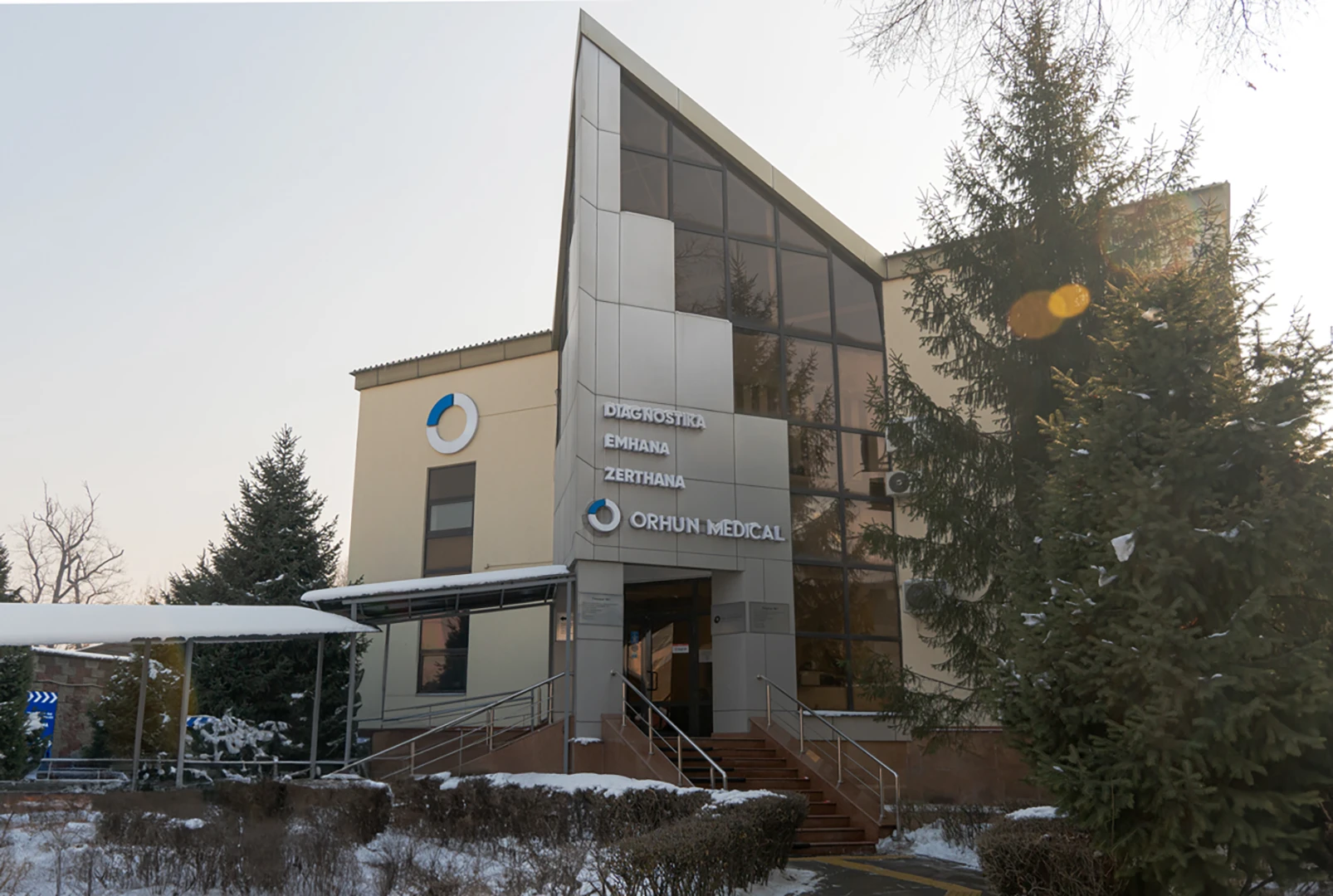
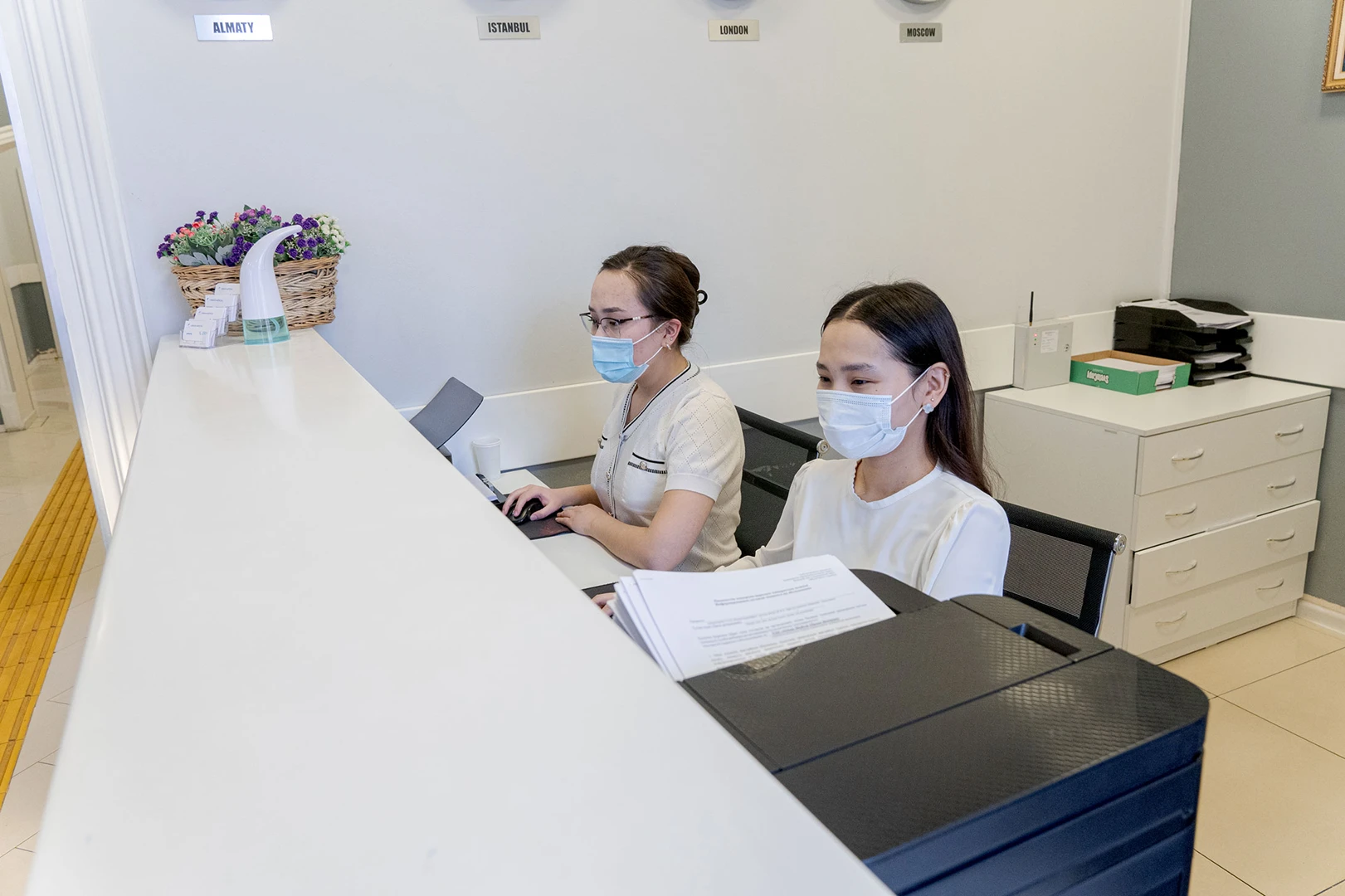
Medical centers where tests can be performed.
The main part of the tests is ready within 3 hours after blood collection.
Almaty
Karaganda
Taraz
Aktau
Kyzylorda
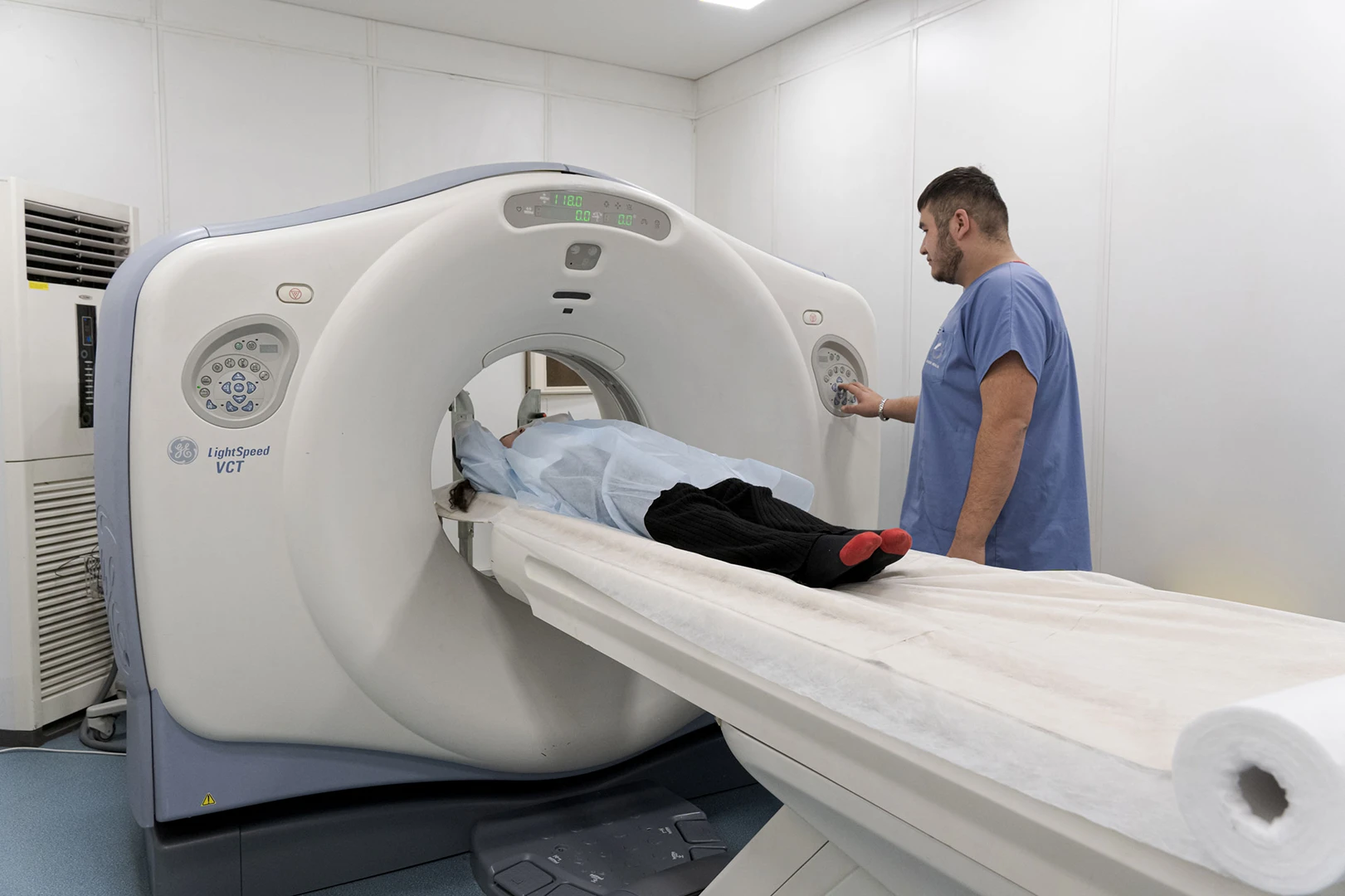
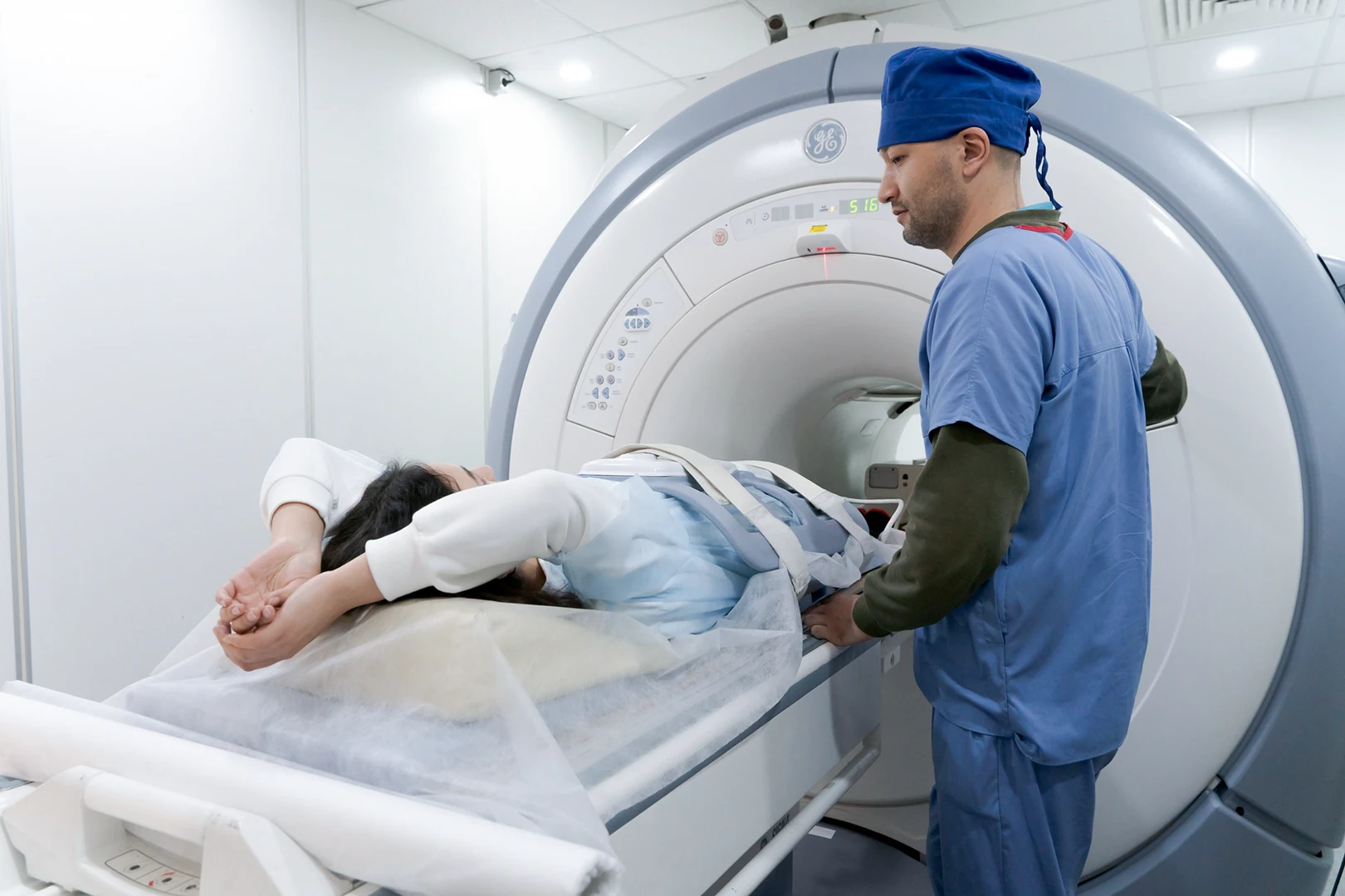
MRI
Mon-Sun: 08:00-00:00 (By appointment) 20:00-00:00 (Without contrast)
CT
Mon-Sun: 08:00-13:00 (By appointment) 13:00-00:00 (Without contrast). Walk-in queue
X-ray
Mon-Sun: 08:00-00:00
Mammography
Temporarily not working
Densitometry
Mon-Sun: 08:00-00:00
Procedural
Mon-Fri: 08:00-17:00 Sat-Sun: 08:00-16:00
Laboratory
Mon-Fri: 08:00-17:00 Sat: 09:00-13:00
Ultrasound
Mon-Fri: 08:30-16:30 Sat: 09:30-13:30
Clinic
Mon-Fri: 08:00-17:00 Sat: 09:00-13:00
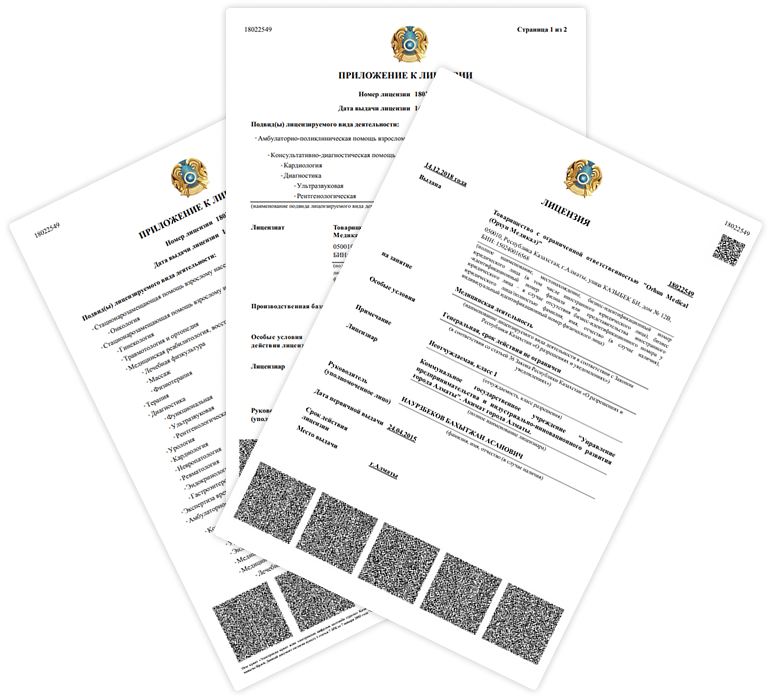
We operate on the basis of Medical License No. 18022549 dated 14.12.2018, issued by the State Institution "Department of Entrepreneurship and Industrial-Innovative Development of Almaty."
* WhatsApp.: +7(776)000-2814
* Phone: +7(776)000-2814